Aluminum Castings: Enhancing Performance in Automotive Engines and Aerospace Parts
Wiki Article
Opening the Potential of Aluminum Castings: Insightful Insights and Professional Solutions
Aluminum castings existing substantial advantages in various manufacturing sectors. Their corrosion-resistant and lightweight residential or commercial properties make them suitable for requiring applications. Technologies in casting technologies even more boost their capacity. Specialist services aid maximize styles for optimal performance and efficiency. As markets develop, comprehending these aspects comes to be necessary. The implications of these improvements might improve the future of production. What developments exist ahead for aluminum spreadings?The Advantages of Light Weight Aluminum Castings in Modern Manufacturing
Various materials are used in manufacturing, light weight aluminum spreadings stand out for their unique advantages. Their light-weight nature enables reduced energy intake during transportation and assembly, making them an eco-friendly selection. The versatility of aluminum allows suppliers to produce elaborate layouts and intricate shapes, which can be customized for particular applications. On top of that, aluminum spreadings exhibit exceptional corrosion resistance, boosting the long life of products in various environments.The capability to achieve tight resistances adds to the accuracy of finished parts, decreasing the need for comprehensive machining. In addition, light weight aluminum's thermal conductivity makes it excellent for applications needing efficient heat dissipation. The recyclability of light weight aluminum additionally includes in its appeal, lining up with sustainable production practices. Overall, the benefits of aluminum castings assist in ingenious style solutions and add to cost-efficient manufacturing procedures, positioning them as a preferred choice in lots of markets today.
Key Characteristic of Aluminum That Enhance Performance
Light weight aluminum has numerous essential buildings that substantially boost its performance in different applications. Its long lasting and lightweight nature, paired with exceptional deterioration resistance, make it a suitable selection for many sectors. Furthermore, aluminum's superior thermal conductivity further adds to its flexibility and effectiveness in producing procedures.Long Lasting and lightweight
An exceptional mix of light-weight and sturdy qualities makes light weight aluminum an ideal material for numerous applications. This one-of-a-kind home permits makers to produce elements that lower total weight without endangering toughness. The low thickness of aluminum adds to improved gas effectiveness in automobile and aerospace sectors, where lightweight construction is critical. Additionally, its toughness warranties durability and reliability sought after environments, making it ideal for products varying from customer electronics to commercial machinery. The capacity of aluminum to endure mechanical stresses while staying light causes cutting-edge designs and enhanced performance throughout various sectors. Generally, light weight aluminum's sturdy and light-weight nature substantially boosts its charm, driving advancements in innovation and design solutions.Rust Resistance Benefits
The outstanding light-weight and resilient residential or commercial properties of aluminum are enhanced by its remarkable deterioration resistance, making it an extremely advantageous material throughout numerous sectors. This resistance is largely connected to the formation of a safety oxide layer that naturally develops on its surface. This layer acts as an obstacle, stopping dampness and various other destructive agents from penetrating the steel. As a result, light weight aluminum spreadings exhibit enhanced long life, lowering the demand for frequent replacements or repair services. Industries such as automotive, aerospace, and aquatic considerably take advantage of this building, as it adds to the overall performance and integrity of their items. By decreasing corrosion-related failings, aluminum spreadings ensure lower upkeep expenses and improved safety and security, further strengthening aluminum's role as a favored product sought after settings.Superb Thermal Conductivity
One of the standout functions of aluminum is its superb thermal conductivity, which substantially enhances the efficiency of different applications. This residential or commercial property permits light weight aluminum to successfully transfer heat, making it excellent for parts in automotive, aerospace, and digital industries. The ability to dissipate warm successfully minimizes the danger of getting too hot, therefore improving the long life and integrity of products. Metal Castings. Additionally, aluminum's light-weight nature integrated with its thermal effectiveness adds to power savings in home heating and cooling systems. The combination of these characteristics settings light weight aluminum castings as an exceptional option for manufacturers seeking efficiency and efficiency. As sectors increasingly focus on lasting techniques, light weight aluminum's thermal conductivity additionally plays an important function in optimizing power usage and reducing environmental effectTechnologies in Light Weight Aluminum Spreading Technologies
As industries remain to look for lighter and more efficient products, technologies in aluminum spreading technologies are arising to satisfy these needs. Developments in 3D printing and additive manufacturing have actually enabled the production of intricate geometries that were previously difficult or impossible to accomplish. These approaches decrease product waste and enable fast prototyping, substantially reducing development cycles.In addition, the intro of innovative alloys and warm treatment procedures has actually enhanced the mechanical residential or commercial properties of light weight aluminum castings, making them you can find out more suitable for requiring applications in aerospace and vehicle sectors. Methods such as vacuum casting and pass away spreading have boosted the quality and consistency of cast items, maximizing and lessening flaws efficiency.
Automation and fabricated intelligence are being integrated right into the casting process, helping with real-time surveillance and control, which assures higher accuracy and effectiveness. These developments collectively position aluminum casting as a forward-thinking selection for markets going for sustainability and performance.
Essential Services for Optimizing Light Weight Aluminum Castings
To accomplish ideal performance in aluminum castings, several vital services play a vital function. Layout optimization strategies, quality control procedures, and completing and coating choices are essential components that can substantially enhance the last item. Recognizing and implementing these services can bring about enhanced resilience and capability of light weight aluminum spreadings.Design Optimization Techniques
Efficient layout optimization strategies are essential for boosting the efficiency and effectiveness of light weight aluminum castings. These strategies entail an organized strategy to refining the geometry and requirements of actors components. By leveraging computer-aided layout (CAD) software program, designers can replicate numerous style scenarios to identify the most reliable forms and frameworks. Furthermore, finite element analysis (FEA) is made use of to predict how designs will act under stress and anxiety, permitting for changes that boost durability while decreasing material usage. Integrating design for manufacturability (DFM) principles assurances that the casting process is streamlined, reducing manufacturing costs and lead times. Inevitably, these optimization strategies contribute to enhanced mechanical homes and overall product quality, leading the way for enhanced performance in different applications.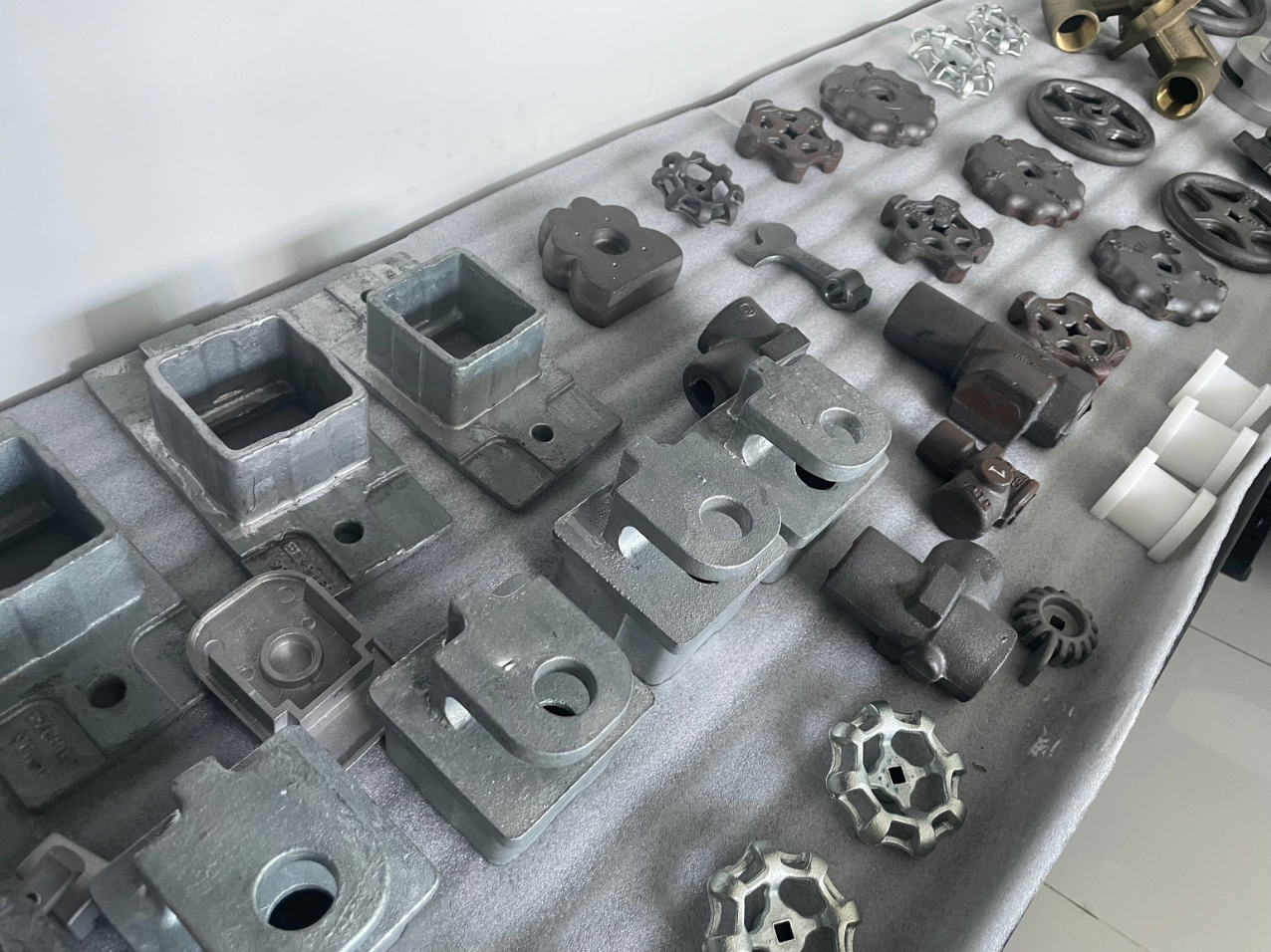
Quality Control Processes
Quality special info assurance procedures play an important function in the optimization of light weight aluminum castings, ensuring that each component meets rigid efficiency and durability criteria. These procedures commonly include rigorous copyrightination procedures, consisting of dimensional checks, metallurgical evaluation, and non-destructive screening approaches. By using advanced modern technologies such as ultrasonic testing and X-ray inspection, manufacturers can recognize prospective flaws early in the production cycle. Furthermore, adherence to industry criteria, such as ISO qualifications, strengthens reputation and integrity in the final products. Continual tracking and responses loops aid improve production methods, better enhancing quality. Ultimately, reliable quality control not only decreases waste and rework however also optimizes client complete satisfaction by delivering light weight aluminum castings that perform continually under demanding problems.Completing and Covering Options
Completing and finishing choices are important for improving the efficiency and durability of aluminum castings. Various techniques, such as anodizing, powder coating, and paint, can considerably boost corrosion resistance and visual allure. Plating boosts surface hardness and improves resistance to wear, while powder layer gives a durable and vibrant surface that withstands extreme environments. Furthermore, paint uses adaptability in design yet may require even more constant maintenance. The selection of completing method depends on the designated application, environmental exposure, and wanted look. Correct surface prep work and application techniques are vital to achieving suitable outcomes. By choosing suitable finishing and finish alternatives, suppliers can assure that light weight aluminum spreadings not only fulfill useful requirements yet additionally preserve their aesthetic integrity over time.Applications of Aluminum Castings Across Industries
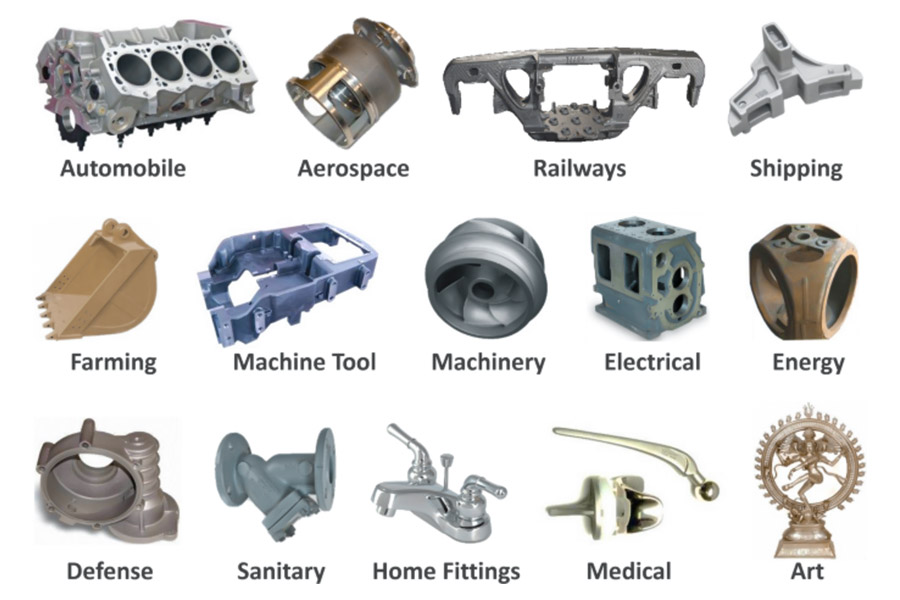
Aluminum spreadings play a necessary role in numerous sectors, showcasing their versatility and adaptability across multiple applications. In the auto industry, aluminum castings are used for engine components, transmission real estates, and wheels, adding to lightweight frameworks that enhance fuel efficiency. The aerospace industry benefits from aluminum spreadings in important components, such as airplane frames and engine elements, where strength-to-weight ratios are critical.check here
The electric and electronics industries take advantage of light weight aluminum castings for housings and warm sinks, ensuring effective thermal management. In the building sector, light weight aluminum castings are made use of in building components and structural parts, giving both aesthetic allure and sturdiness. Additionally, durable goods typically feature aluminum spreadings in products like kitchenware and home appliances, highlighting their usefulness and simplicity of manufacturing. On the whole, the diverse applications of aluminum spreadings underline their significance in driving development and efficiency across many areas.
Future Trends in Light Weight Aluminum Spreading Solutions
As industries increasingly focus on sustainability and effectiveness, future trends in light weight aluminum casting options are anticipated to concentrate on advanced production techniques and cutting-edge materials. Aluminum Castings. One considerable pattern is the adoption of additive manufacturing, which permits for intricate geometries and decreased waste, improving the general effectiveness of manufacturing. Furthermore, the combination of smart technologies, such as IoT and AI, is anticipated to maximize the spreading procedure, making it possible for real-time tracking and predictive maintenanceLasting practices will additionally acquire prestige, with an emphasis on recycling light weight aluminum and using green additives. The development of light-weight alloys will certainly help with the development of more powerful, a lot more resilient elements that fulfill the needs of numerous sectors, consisting of automotive and aerospace. As study and growth continue to progress, these fads will likely redefine aluminum casting, placing it as a vital player in the change towards an extra sustainable manufacturing landscape.
Frequently Asked Questions
How Do Aluminum Castings Compare to Various Other Materials in Price?
Aluminum castings commonly use an affordable cost contrasted to materials like steel and titanium, particularly in lightweight applications. Their cost, integrated with beneficial residential properties, makes them a popular selection in various markets for economical options.
What Are Common Issues in Aluminum Castings and How to avoid Them?
Common flaws in aluminum castings include contraction, surface area, and porosity flaws. Stopping these problems includes careful control of pouring temperature levels, appropriate mold and mildew style, and detailed quality copyrightinations throughout the spreading procedure to assure suitable outcomes.Can Aluminum Castings Be Recycled, and How Does It Influence the Setting?
Light weight aluminum spreadings can be reused efficiently, considerably minimizing ecological effect. Reusing preserves power, lowers greenhouse gas discharges, and lessens land fill waste, adding to a much more sustainable cycle of product usage within sectors and advertising green methods.What Is the Common Lead Time for Light Weight Aluminum Casting Projects?
The typical preparation for light weight aluminum spreading jobs ranges from 2 to six weeks, depending on variables such as tooling, intricacy, and volume demands. Efficient preparation can considerably reduce this duration while guaranteeing top quality results.Exactly How Can I Select the Right Light Weight Aluminum Alloy for My Certain Application?
Selecting the right light weight aluminum alloy includes assessing mechanical buildings, rust resistance, and thermal conductivity. Consulting material specs and understanding application needs, in addition to expert support, can significantly aid in making an educated decision.Furthermore, the intro of advanced alloys and warm therapy processes has boosted the mechanical homes of aluminum castings, making them appropriate for requiring applications in automobile and aerospace industries. Efficient style optimization methods are vital for improving the efficiency and effectiveness of light weight aluminum castings. Ending up and coating options are crucial for enhancing the efficiency and long life of light weight aluminum spreadings. Aluminum spreadings play an essential function in various industries, showcasing their convenience and flexibility throughout multiple applications. In the auto industry, aluminum spreadings are used for engine parts, transmission real estates, and wheels, adding to light-weight structures that improve fuel efficiency.
Report this wiki page